
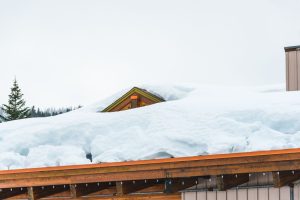
When a storm rolls through Colorado Springs, it can leave more behind than fallen branches and scattered debris. High winds, hail, and heavy snow can all take a toll on your roof and exterior. As a homeowner, knowing what steps to take immediately after a storm can make a significant difference in protecting your property and in ensuring your insurance claim goes smoothly. Here’s what we recommend doing before you call your insurance company.
Start With a Safe, Visual Inspection
Your first step should always be safety. After a storm, we advise homeowners to do a quick visual inspection from the ground. Look for missing shingles, lifted edges, dented metal, cracked tiles, or debris on the roof. Inside your home, check for water stains on ceilings or walls, especially in the attic.
Avoid climbing onto the roof yourself. Storm-damaged roofing materials can be unstable, and personal safety should always come first. If you suspect damage, it’s best to leave the close inspection to a professional residential roofing contractor like Modern-Day Roofing and Exteriors.
Document Everything You See
Before involving your insurance company, documentation is critical. Take clear photos and videos of any visible damage, including the roof, gutters, siding, windows, and other exterior components. Make note of the date and time of the storm and keep any related weather alerts or reports.
This documentation helps establish that the damage is storm-related and not pre-existing. It also gives you a strong foundation when discussing next steps with both your contractor and your insurance provider.
Get a Professional Roof Assessment First
One of the most overlooked things you should do is having a professional inspection done before filing a claim. At Modern-Day Roofing and Exteriors, we provide thorough roof assessments to identify storm damage, code issues, and potential problems that may not be obvious from the ground.
Roofing codes in Colorado Springs have changed in recent years, and if your roof is more than three years old, it may not meet current standards. A professional inspection allows us to document all necessary repairs and ensure nothing is missed when it’s time to speak with your insurance adjuster.
Protect Your Home From Further Damage
If there are active leaks or exposed areas, temporary emergency repairs may be necessary to prevent additional damage. Taking reasonable steps to protect your home shows your insurance company that you acted responsibly after the storm.
To learn more about how we can help if your roof was damaged in a storm, contact us.
Leave a Reply
You must be logged in to post a comment.